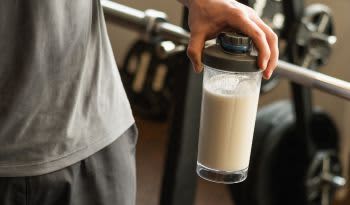
Pour les athlètes de compétition comme pour les personnes qui fréquentent simplement la salle de sport, choisir le bon complément alimentaire peut vite devenir un véritable casse-tête. Face aux milliers de produits protéinés, d'hydratation, à base d'acides aminés et de pré-entraînements disponibles sur le marché, il peut être difficile de savoir lesquels sont réellement sûrs et exempts de substances interdites.
Malheureusement, consommer un complément alimentaire contaminé ou fabriqué dans de mauvaises conditions ne se résume pas à une simple perte d'argent. Pour les athlètes, cela peut entraîner un contrôle antidopage positif, mettant en péril leur carrière ou leur bourse sportive, les exposer à des stimulants indésirables ou à des substances susceptibles de compromettre leur bien-être à long terme. Même les adeptes de fitness pratiqué à titre récréatif peuvent, sans le savoir, consommer des produits qui ne correspondent pas aux informations indiquées sur leur étiquette, les rendant inefficaces, voire potentiellement dangereux pour leur santé.
C'est pourquoi les tests et les certifications réalisés par des organismes tiers sont plus importants que jamais.
Sport Certified d'iHerb a été créé pour vous permettre de trouver plus facilement des produits de nutrition sportive fiables. Cette sélection regroupe des produits soumis à des tests rigoureux et à une vérification de leur qualité par un organisme tiers, afin de vous aider à acheter en toute confiance. Au lieu de vous fier uniquement aux arguments marketing, recherchez des labels de confiance tels que NSF Certified for Sport, Informed Sport et Informed Choice, qui vous aideront à repérer des produits plus sûrs et plus transparents.
Que vous recherchiez un pré-entraînement sûr, une protéine en poudre de qualité ou des compléments conformes aux exigences de l'AMA (Agence mondiale antidopage), comprendre le fonctionnement de ces certifications vous aidera à faire des choix plus éclairés.
Ce qu’il faut retenir
- Les tests réalisés par des organismes tiers permettent de vérifier la pureté des compléments et de détecter la présence éventuelle de substances interdites.
- NSF Certified for Sport, Informed Sport et Informed Choice figurent parmi les certifications les plus reconnues pour les compléments destinés aux sportifs.
- Les certificats d'analyse (COA) offrent une transparence supplémentaire sur la teneur en ingrédients, la qualité des produits et les tests de sécurité réalisés.
- Découvrez pourquoi les athlètes devraient privilégier des compléments testés pour détecter les substances interdites et garantir une qualité de fabrication constante.
- Les pré-entraînements, les protéines en poudre et les compléments favorisant le soutien de la testostérone comptent parmi les catégories pour lesquelles la certification est la plus importante.
- Sport Certified d'iHerb vous permet de trouver plus facilement des compléments pour sportifs fiables.
Que sont les compléments Sport Certified ?
Les compléments Sport Certified sont des compléments alimentaires ayant fait l'objet de tests indépendants supplémentaires afin de vérifier la qualité et la pureté de leurs ingrédients, ainsi que leur conformité aux exigences du sport de haut niveau.
Contrairement aux compléments alimentaires classiques, les produits certifiés pour le sport sont généralement analysés afin de détecter les substances interdites par les principales organisations sportives. Il peut s'agir notamment de stimulants, d'agents anabolisants, d'agents masquants ou encore de contaminants pouvant être introduits au cours du processus de fabrication.
Aujourd'hui, de nombreux athlètes recherchent activement des produits portant les certifications suivantes :
- NSF Certified for Sport
- Informed Sport
- Informed Choice
- Des compléments conformes aux exigences de l'AMA (Agence mondiale antidopage)
Que signifient réellement ces labels ?
Au premier abord, les certifications délivrées par des organismes tiers peuvent sembler complexes. Pourtant, chacune joue un rôle spécifique en aidant les consommateurs à identifier des compléments fiables.
NSF Certified for Sport
Parmi les certifications dédiées à la nutrition sportive, NSF Certified for Sport est largement considérée comme l'une des plus rigoureuses.
Les produits portant cette certification sont testés afin de détecter plus de 280 substances interdites par les principales organisations sportives. En outre, le programme vérifie que :
- le produit contient bien les ingrédients indiqués sur l'étiquette
- il ne présente pas de niveaux dangereux de contaminants
- les sites de fabrication sont régulièrement audités
- le complément est fabriqué selon des normes de contrôle qualité strictes
Cette certification est reconnue par de nombreuses organisations sportives professionnelles, notamment d'importantes ligues de football américain, de baseball et de hockey.
Pour les athlètes soucieux de respecter les règles antidopage, la certification NSF Certified for Sport offre un niveau de confiance supplémentaire lors du choix de produits de nutrition sportive.
Compléments Informed Sport
Les compléments Informed Sport constituent une autre catégorie de confiance dans le domaine de la nutrition sportive.
Leur principale particularité est que chaque lot de production est testé afin de détecter la présence de substances interdites avant la mise sur le marché des produits. Cette approche, fondée sur des tests réalisés lot par lot, est particulièrement précieuse pour les athlètes de haut niveau qui recherchent une constance et une transparence maximales.
Les tests Informed Sport contribuent à réduire le risque de contamination croisée lors de la fabrication et garantissent une meilleure traçabilité des produits.
Les athlètes soumis aux réglementations antidopage privilégient souvent cette certification en raison de son processus rigoureux de dépistage des substances interdites.
Informed Choice
Bien que leurs noms soient similaires, Informed Choice et Informed Sport présentent plusieurs différences.
Informed Choice est un programme volontaire d'assurance qualité qui réalise régulièrement des contrôles inopinés sur des produits déjà commercialisés. Ces analyses permettent de vérifier la constance de la qualité de fabrication ainsi que le maintien des normes de qualité au fil du temps.
Le programme évalue également les sites de fabrication et la traçabilité des ingrédients afin de favoriser des pratiques de production plus sûres.
Pour les adeptes de fitness, Informed Choice offre l'assurance supplémentaire que les produits continuent de répondre à des normes de qualité élevées une fois mis sur le marché.
Pourquoi les tests des compléments sont plus importants que jamais
Le marché des compléments destinés aux sportifs continue de se développer à l'échelle mondiale, entraînant une offre toujours plus vaste et des processus de fabrication de plus en plus complexes.
Des études ont mis en évidence des préoccupations concernant l'exactitude de l'étiquetage, la contamination, la teneur en ingrédients et les variations de composition de certains compléments. Les programmes de tests indépendants contribuent à répondre à ces préoccupations en renforçant la transparence et la responsabilité tout au long du processus de fabrication.
De récentes publications scientifiques ont également souligné l'importance de la confiance des consommateurs, de l'assurance qualité et d'une évaluation fondée sur des données probantes dans le domaine des produits de santé et de bien-être.¹⁻⁵
Les athlètes sont particulièrement exposés, car même des traces de substances interdites peuvent avoir de lourdes conséquences lors d'un contrôle antidopage.
C'est l'une des raisons pour lesquelles de nombreux experts recommandent de privilégier des compléments conformes aux exigences de l'AMA (Agence mondiale antidopage) et ayant fait l'objet d'une vérification par un organisme tiers.
Aller au-delà des labels : les certificats d'analyse (COA)
Les certifications délivrées par des organismes tiers constituent un bon point de départ pour évaluer un complément alimentaire, mais elles ne racontent pas toute l'histoire. Pour les consommateurs qui souhaitent mieux comprendre la qualité, la sécurité et la transparence d'un produit, consulter un certificat d'analyse (COA) apporte un niveau d'information supplémentaire.
Qu'est-ce qu'un COA ?
Un COA (Certificate of Analysis ou certificat d'analyse) permet de vérifier si un complément alimentaire contient bien les ingrédients indiqués sur son étiquette et s'il a été testé afin de détecter d'éventuels contaminants ou irrégularités. Bien que de nombreux consommateurs n'aient jamais accès à ces documents, les marques de compléments réputées les mettent souvent à disposition sur demande ou les publient directement sur leur site web.
Comprendre un COA permet d'aller au-delà des arguments marketing et de s'appuyer sur des données objectives issues d'analyses en laboratoire. Cela est particulièrement important pour les athlètes, les personnes souffrant de certaines pathologies ou toute personne accordant une grande importance à la qualité des ingrédients et à la sécurité des produits.
Un COA est un document établi par un laboratoire indépendant qui confirme plusieurs informations concernant un lot de compléments, notamment :
- l'identité des ingrédients
- la teneur en ingrédients
- les tests de pureté
- le dépistage des métaux lourds
- les tests de sécurité microbiologique
- la constance de la qualité de fabrication
Apprendre à lire un COA peut vous aider à prendre des décisions d'achat plus éclairées.
Au lieu de vous fier uniquement aux arguments figurant sur l'étiquette, un COA fournit des données mesurables directement issues d'analyses réalisées en laboratoire.
Pourquoi les COA sont-ils importants ?
De nombreux distributeurs commercialisent des produits sans vérifier de manière indépendante les informations fournies par les fabricants. En revanche, les programmes axés sur la transparence mettent de plus en plus souvent les certificats d'analyse (COA) à la disposition des consommateurs.
Sport Certified d'iHerb met également en avant d'autres initiatives en faveur de la transparence, notamment les programmes de vérification iTested et la publication de documents relatifs aux tests effectués.
Ce niveau de transparence est essentiel, car même les produits présentés comme « naturels » ou « propres » peuvent varier considérablement en termes de qualité et de pureté des ingrédients.
Les certifications sont précieuses, mais donner accès aux documents de test eux-mêmes témoigne d'un engagement encore plus fort en faveur de la transparence et de la responsabilité.
Comment lire un COA
Comprendre un certificat d'analyse (COA) ne nécessite pas de connaissances scientifiques approfondies. Quelques éléments clés permettent déjà d'évaluer la qualité d'un produit.
- Numéro de lot : chaque COA doit comporter un numéro de lot correspondant à celui figurant sur l'emballage du produit. Cela permet de confirmer que les analyses concernent bien le lot de fabrication concerné.
- Vérification des ingrédients : le rapport doit confirmer que les ingrédients actifs correspondent aux informations figurant sur l'étiquette, dans des limites de tolérance acceptables. Par exemple, une protéine en poudre doit contenir la quantité de protéines indiquée par portion, sans écart significatif.
- Analyse des métaux lourds : les métaux lourds tels que le plomb, le mercure, le cadmium et l'arsenic font généralement partie des substances recherchées lors des contrôles qualité. Des concentrations faibles sont généralement le signe d'un approvisionnement plus rigoureux et de procédés de fabrication plus sûrs.
- Analyses microbiologiques : les analyses microbiologiques permettent de détecter d'éventuelles contaminations, notamment par des levures, des moisissures ou des bactéries nocives.
- Informations sur le laboratoire tiers : un COA fiable indique généralement le nom ou les informations relatives au laboratoire indépendant ayant réalisé les analyses.
Apprendre à lire un COA vous permet d'aller au-delà des arguments marketing et d'évaluer la qualité d'un produit avec un regard plus critique.
Les catégories pour lesquelles la certification est la plus importante
Toutes les catégories de compléments ne présentent pas le même niveau de risque de contamination. Pour certaines d'entre elles, les tests réalisés par des organismes tiers sont particulièrement précieux.
Protéines en poudre
Les protéines en poudre comptent parmi les produits de nutrition sportive les plus populaires au monde.
Toutefois, plusieurs problèmes de qualité peuvent se poser, notamment :
- l'ajout d'acides aminés
- la présence de métaux lourds
- des indications trompeuses concernant la teneur en protéines, leur pureté ou leur forme
- une contamination croisée lors de la fabrication
Les protéines en poudre certifiées permettent de réduire ces incertitudes en confirmant l'identité et la pureté des ingrédients.
Les athlètes qui recherchent des protéines certifiées Informed Sport, Informed Choice ou NSF Certified for Sport privilégient souvent les produits accompagnés d'une documentation claire sur les tests réalisés par des organismes tiers.
Compléments de pré-entraînement
Les pré-entraînements figurent parmi les catégories les plus à risque dans le domaine de la nutrition sportive. Certaines formules peuvent contenir :
- teneurs excessives en stimulants
- ingrédients non déclarés
- mélanges exclusifs dont le dosage n'est pas précisé
- substances interdites en sport
Choisir un pré-entraînement ayant fait l'objet de tests réalisés par un organisme tiers peut contribuer à réduire ces risques. Il est recommandé de privilégier des produits présentant :
- une liste d'ingrédients transparente
- une teneur modérée en caféine
- une certification délivrée par un organisme tiers
- des pratiques de fabrication transparentes
Les athlètes soumis aux réglementations antidopage devraient privilégier des compléments conformes aux exigences de l'AMA (Agence mondiale antidopage) et testés afin de détecter les substances interdites.
Produits d'hydratation et de récupération
Les poudres d'hydratation, les préparations à base d'électrolytes, les acides aminés à chaîne ramifiée (BCAA) et les acides aminés essentiels (EAA) sont couramment utilisés pendant l'entraînement et la récupération.
Les tests permettent notamment de vérifier :
- la conformité de la teneur en ingrédients aux indications figurant sur l'étiquette
- l'exactitude de la composition en électrolytes
- la pureté des acides aminés
- l'absence de contamination
- la constance du dosage des ingrédients
Pour les athlètes d'endurance et les personnes très actives, la régularité et la qualité des produits sont particulièrement importantes pour soutenir les performances et optimiser la récupération.
Signaux d'alerte à repérer lors de l'achat de compléments
Tous les compléments destinés aux sportifs ne répondent pas aux mêmes exigences en matière de qualité de fabrication. Voici quelques signaux d'alerte auxquels il convient de prêter attention.
Mélanges exclusifs peu transparents
Les produits qui dissimulent les quantités de leurs ingrédients derrière la mention « proprietary blend » ou « mélange exclusif » rendent difficile l'évaluation de la sécurité des dosages.
Allégations marketing irréalistes
Méfiez-vous des compléments qui prétendent « transformer instantanément » les performances ou promettent des résultats spectaculaires. Les informations fondées sur des données scientifiques sont généralement plus fiables que les promesses exagérées.
Absence de certification délivrée par un organisme tiers
Même si une certification n'est pas obligatoire, l'absence de tests réalisés par un organisme tiers peut accroître les incertitudes quant à la qualité d'un produit.
Absence de COA ou d'informations sur les tests réalisés
Les marques engagées en faveur de la transparence sont davantage susceptibles de mettre à disposition leurs certificats d'analyse (COA) ou d'expliquer clairement leurs procédures d'assurance qualité.
Pourquoi la transparence est-elle de plus en plus importante ?
Aujourd'hui, les consommateurs accordent une importance croissante à l'origine des ingrédients, à la pureté des produits et aux pratiques de fabrication.
La littérature scientifique continue de souligner l'importance d'une évaluation des compléments fondée sur des données probantes ainsi que de la transparence dans le domaine des produits de santé destinés aux consommateurs.¹⁻⁵
Cette prise de conscience croissante a renforcé la demande pour :
- des produits à l'étiquette claire (« clean label »)
- des vérifications réalisées par des organismes tiers
- une traçabilité des ingrédients
- une documentation indépendante sur les tests effectués
Des programmes tels que NSF Certified for Sport et Informed Sport contribuent à répondre à ces nouvelles attentes des consommateurs.
Comment adopter une routine de compléments plus avisée
Choisir ses compléments de manière plus réfléchie ne signifie pas nécessairement en consommer davantage. Il s'agit avant tout de privilégier des produits répondant à des normes de qualité plus élevées et offrant davantage de transparence.
Privilégiez les produits certifiés
Dans la mesure du possible, recherchez des certifications reconnues délivrées par des organismes tiers.
Lisez attentivement les étiquettes
Vérifiez la taille des portions, la liste des ingrédients et la teneur en stimulants.
Vérifiez la transparence des tests
Recherchez des certificats d'analyse (COA) ou des informations sur les contrôles qualité réalisés.
Évitez les doses excessives de stimulants
En particulier si vous choisissez un pré-entraînement, privilégiez des formules dont la composition est clairement indiquée et évitez celles contenant des mélanges de stimulants peu transparents ou très fortement dosés.
Achetez auprès de distributeurs de confiance
Faire vos achats auprès de distributeurs reconnus qui privilégient la transparence peut contribuer à réduire les incertitudes.
Entraînez-vous avec sérieux, choisissez vos compléments avec discernement
En tant qu'athlète ou passionné de fitness, votre corps est l'un de vos biens les plus précieux. Vous méritez de savoir exactement ce que contiennent les compléments que vous consommez.
Les tests réalisés par des organismes tiers, les programmes de certification et les pratiques de qualité transparentes contribuent à dissiper une grande partie des incertitudes qui entourent les produits de nutrition sportive.
Que vous recherchiez des protéines en poudre, des produits favorisant l'hydratation ou un pré-entraînement sûr, les certifications NSF Certified for Sport, Informed Sport et Informed Choice peuvent vous aider à faire des choix plus éclairés.
Sport Certified d'iHerb simplifie cette démarche en proposant une sélection de produits répondant à des exigences élevées en matière de qualité, de tests et de transparence.
Prêt à choisir vos compléments en toute confiance ? Découvrez dès aujourd'hui la sélection Sport Certified d'iHerb.
FAQ sur Sport Certified
Que sont les compléments conformes aux exigences de l'AMA ?
Les compléments conformes aux exigences de l'AMA (Agence mondiale antidopage) sont conçus pour réduire le risque de contenir des substances interdites par l'Agence mondiale antidopage. Les programmes de tests réalisés par des organismes tiers contribuent à vérifier leur conformité.
Quelle est la différence entre Informed Sport et Informed Choice ?
Informed Sport teste chaque lot de production avant sa mise sur le marché, tandis que Informed Choice réalise des contrôles inopinés réguliers sur des produits déjà commercialisés.
Pourquoi la certification NSF Certified for Sport est-elle importante ?
NSF Certified for Sport vérifie l'exactitude des informations figurant sur l'étiquette, recherche la présence de substances interdites et audite les sites de fabrication afin de garantir la qualité des produits et de contribuer à la sécurité des athlètes.
Comment savoir si un pré-entraînement est sûr ?
Recherchez des produits dont la liste des ingrédients est transparente, contenant des quantités modérées de stimulants et bénéficiant d'une certification délivrée par un organisme tiers, telle que NSF Certified for Sport ou Informed Sport. Respectez toujours les recommandations figurant sur l'étiquette. Il est conseillé de commencer par une demi-dose afin de permettre à votre organisme d'évaluer le produit, puis d'augmenter progressivement jusqu'à une dose complète si nécessaire.
Que contient un COA ?
Un certificat d'analyse (COA) fournit des informations issues d'analyses en laboratoire concernant l'identité des ingrédients, leur pureté, leur teneur ainsi que les contrôles de détection des contaminants.
Pourquoi les protéines en poudre sont-elles testées pour détecter les métaux lourds ?
Certaines matières premières peuvent naturellement contenir des traces de métaux lourds. Les tests réalisés par des organismes indépendants permettent de vérifier que leur concentration reste dans les limites des seuils de sécurité établis.
Les compléments testés par des organismes tiers sont-ils meilleurs ?
Les tests réalisés par des organismes tiers apportent un niveau supplémentaire de vérification de la qualité et de transparence, ce qui peut aider les consommateurs à faire des choix plus éclairés.
Les compléments peuvent-ils contenir des substances interdites par inadvertance ?
Oui. Une contamination croisée peut survenir lors de la fabrication si les installations ne respectent pas des procédures strictes de contrôle qualité.
En quoi consiste l'ajout d'acides aminés dans les protéines en poudre ?
Cette pratique consiste à ajouter des acides aminés peu coûteux afin d'augmenter artificiellement les résultats des analyses de protéines, sans pour autant améliorer la qualité globale des protéines.
Pourquoi les athlètes devraient-ils s'intéresser aux certifications des compléments ?
Les athlètes sont souvent soumis à des réglementations antidopage strictes. Il est donc particulièrement important pour eux de choisir des compléments dont la pureté a été vérifiée et qui ont été testés afin de détecter la présence de substances interdites.
Références :
- Smith, J., Anderson, L., Patel, R., Thompson, K., & Nguyen, M. (2025). Consumer trust and transparency in dietary supplements. American Behavioral Scientist, 69(4), 455–470.
- Brown, T., Lewis, P., Carter, D., Hall, S., Martinez, J., & Young, A. (2025). Sports supplement quality assurance and athlete safety. Nutrients, 17(6), 951.
- Wilson, R., Clark, E., Hernandez, F., Walker, T., & Kim, J. (2025). Consumer behavior and wellness product verification. International Journal of Environmental Research and Public Health, 22(2), 209.
- Johnson, P., Roberts, N., Evans, L., Green, S., & Miller, C. (2025). Trends in dietary supplement certification programs. Journal of Applied Sport Nutrition, 14(2), 101–118.
- Garcia, M., Lopez, A., Ramirez, D., Scott, B., & Turner, H. (2023). Third-party testing and quality control in sports nutrition products. Anthrozoös, 36(5), 821–835.
AVERTISSEMENT :
Ces déclarations n’ont pas été évaluées par la Food and Drug Administration. Ces produits ne sont pas destinés à diagnostiquer, traiter, guérir ou prévenir une maladie.


















































 Table des matières